
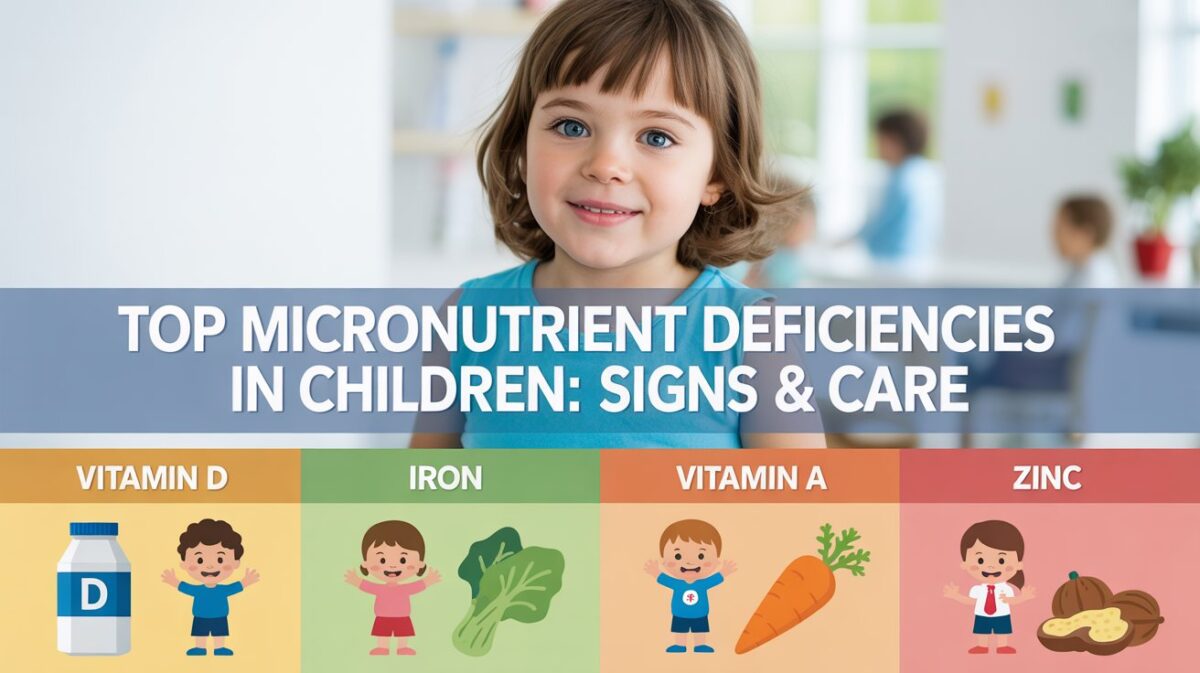
Top Micronutrient Deficiencies in Children: Sign & Care
Micronutrients are vitamins and minerals the body needs in small amounts to support growth, brain development, immunity, bone formation, and metabolic function. Children require a steady supply because growth increases demand, and limited diets or medical conditions can create gaps. This article explains how to recognize key micronutrient shortfalls, outlines practical actions parents and clinicians can take, and clarifies when testing and treatment are appropriate. Read on for signs, food-based strategies, and guidance on when to seek professional evaluation.
Why micronutrients matter in childhood
Micronutrients influence tissue growth, cognitive development, immune defenses, and skeletal integrity. Even moderate shortfalls can slow growth velocity, reduce attention span, weaken immune response, and impair motor development. Risk factors include restricted diets, food insecurity, chronic illness, malabsorption, and rapid growth phases. Early identification of micronutrient deficiencies in children reduces the likelihood of long-term impairment and supports timely intervention.
How to use this guide: Quick checklist
Use this quick checklist to decide when to act or consult a clinician:
- Two or more persistent signs for 2+ weeks should prompt evaluation.
- Keep a 3-day food and symptom diary to document intake and patterns.
- Track growth on a standard growth chart and note velocity changes.
- Photograph visible signs (pallor, rashes, hair thinning) for clinical review.
- Share records with the primary care clinician or pediatric dietitian.
This guide organizes the most common micronutrient deficits by nutrient, with causes, signs, home observations, dietary sources, and when to request testing and treatment.
Helpful Training for Parents and Caregivers
Understanding micronutrient needs is easier when caregivers have the right guidance. For those seeking clear, practical training in child nutrition, safety, and early warning signs, the Health and Safety (HS) Courses from ECE University are a strong option. These courses offer easy-to-follow lessons that help parents, teachers, and childcare providers support healthier eating habits and safer daily routines. They are handy for anyone who wants to feel more confident in preventing common nutrition problems in children.
Top micronutrient deficiencies: Overview
Below are the micronutrients most often implicated in pediatric deficits. Each subsection states typical causes, reliable clinical signs, simple at-home observations parents can make, dietary sources, and when to request testing and treatment.
Iron
Iron deficiency is one of the most common micronutrient deficits in children. Causes include low dietary iron, prolonged exclusive cow’s milk feeding in infants, and rapid growth in toddlers and adolescents.
Key signs and observations:
- Persistent pallor, notably of the conjunctiva and lips.
- Marked fatigue or reduced play activity.
- Poor concentration and increased irritability.
- Pica (eating nonfood items).
- Slowed weight gain or a drop in growth percentiles.
When to test:
Request a CBC and ferritin when pallor, fatigue, or growth faltering persist. Ferritin reflects iron stores and helps confirm iron deficiency before supplementation.
Diet and home management:
- Offer iron-rich foods: lean red meat, poultry, fortified cereals, legumes, and dark leafy vegetables.
- Pair plant iron sources with vitamin C (citrus, bell peppers) to boost absorption.
- Limit excessive cow’s milk in toddlers; it can displace iron-rich foods.
- Start supplementation only with clinician guidance; inappropriate dosing causes harm.
Clinical note:
Iron deficiency often first appears as reduced energy and attention rather than clear growth failure. Early testing and treatment restore energy and support cognitive performance.
Vitamin D
Vitamin D affects calcium metabolism, bone mineralization, and immune function. Children with limited sun exposure, darker skin pigmentation, or diets low in fortified foods face a higher risk.
Key signs and observations:
- Bone pain or tenderness in more severe cases.
- Delayed motor milestones in infants or toddlers.
- Recurrent respiratory infections in some children.
- Subtle signs: lower activity compared with peers.
When to test:
Measure 25-hydroxyvitamin D [25(OH)D] when deficiency is suspected due to bone pain, poor growth, or repeated infections.
Diet and practical steps:
- Encourage vitamin D sources: fortified milk or milk alternatives, fortified cereals, and fatty fish, where appropriate.
- Support safe, moderate sun exposure following local guidance.
- Use supplementation per clinician recommendations; dosing varies by age and baseline levels.
Clinical note:
Vitamin D deficiency can impair bone health and increase fracture risk. Infants who are breastfed exclusively often require targeted supplementation.
Vitamin A
Vitamin A supports vision, epithelial integrity, and immune response. In many higher-resource settings, severe deficiency is uncommon, but it remains a concern where access to diverse produce or fortified foods is limited.
Key signs and observations:
- Night blindness or reduced visual adaptation to low light.
- Dry or rough conjunctiva in more severe cases.
- Increased susceptibility to infections.
When to test and treat:
Clinical signs typically prompt evaluation; laboratory testing is used selectively. Urgent treatment applies for significant visual impairment or corneal changes.
Diet and prevention:
- Provide orange and yellow vegetables (carrots, sweet potatoes) and dark leafy greens.
- Use fortified products where available.
- Address broader dietary limitations when planning prevention.
Zinc
Zinc supports immune function, wound repair, and growth. Risk increases with low intake of animal protein, chronic diarrhea, or malabsorption.
Key signs and observations:
- Slow wound healing and recurrent infections.
- Growth faltering or plateauing percentiles.
- Taste changes or poor appetite.
When to test:
Zinc assays are challenging to interpret. Clinicians often base decisions on clinical assessment and dietary history; therapeutic trials may be used.
Dietary advice:
- Include meat, poultry, seafood, legumes, nuts, and whole grains.
- Emphasize varied protein sources in family meals.
Clinical note:
Short-term zinc supplementation can help children with recurrent infections in some settings. Coordinate dosing and duration with a clinician.
Iodine
Iodine is essential for thyroid hormone production and neurodevelopment. Deficiency occurs in regions with low soil iodine and inconsistent iodized salt use.
Key signs and observations:
- Enlarged thyroid (goiter) in some children.
- Slowed cognitive development in severe, prolonged deficiency.
- Reduced linear growth in advanced cases.
When to test and act:
Assess thyroid function when clinical features suggest hypothyroidism. Public health salt iodization has reduced individual cases in many regions.
Dietary sources and prevention:
- Promote iodized salt and include dairy and seafood where appropriate.
- Support public health fortification programs in at-risk areas.
Clinical note:
Iodine deficiency causes the most severe cognitive effects when present during fetal and early infant development. Prevention programs are the most effective intervention.
Vitamin B12 and Folate
B12 and folate are critical for red blood cell formation and neurological development. Deficits occur in children with restricted diets (for example, strict vegetarian or vegan diets) or with malabsorption.
Key signs and observations:
- Macrocytic anemia on CBC with fatigue and pallor.
- Developmental delays and, for B12 deficiency, neurological signs such as numbness or poor coordination.
- Failure to thrive in prolonged deficiency.
When to test:
Measure serum B12 and folate along with a CBC. Evaluate absorption and dietary sources if levels are abnormal.
Diet and prevention:
- B12 primarily appears in animal products; use fortified cereals or supplements for plant-based diets.
- Folate is abundant in leafy greens, legumes, and fortified grains.
Clinical note:
B12 deficiency can cause irreversible neurological changes if not corrected early. Proactively evaluate at-risk children and provide supplementation when indicated.
Calcium, Magnesium, Selenium, and Other Nutrients
Calcium supports bone mineralization. Magnesium and selenium have metabolic and immune roles. These deficits are less common in many settings but appear in specific clinical scenarios.
Key points:
- Ensure adequate calcium intake through dairy or fortified alternatives.
- Consider magnesium and selenium status in children with malabsorption, eating disorders, or chronic illness.
- Use targeted testing and dietary corrections rather than routine screening in low-risk children.
How deficiencies affect growth, behavior, a nd school performance
Micronutrient shortfalls can reduce energy, impair attention, and delay motor and language milestones. Iron deficiency anemia reduces oxygen delivery, leading to low stamina and poor concentration at school. Vitamin D and calcium deficits can weaken bone structure and limit physical activity. B vitamin deficits may slow cognitive processing and fine motor skills. When a child shows learning or behavior changes, assess nutrition alongside sleep, psychological stressors, and chronic illness to identify multiple contributing factors.
Diagnosis: what clinicians do and common tests
Clinicians integrate growth patterns, dietary history, and physical exam when evaluating suspected deficiencies. Typical actions include:
- Growth chart review with attention to velocity.
- Focused dietary assessment and brief intake recall.
- Targeted labs: CBC with indices, ferritin, 25(OH)D, B12 and folate, thyroid tests, and celiac serology when malabsorption is suspected.
- Referral to a pediatric dietitian for detailed nutrient analysis.
- Referral to a feeding therapist if oral motor or sensory feeding issues are present.
Clinicians avoid blanket supplementation without the appropriate diagnosis, particularly where toxicity or interactions could occur.
Practical prevention and treatment strategies
Prevention centers on food-first strategies, routine screening for at-risk groups, and clinician-guided supplementation.
Age-specific feeding tips:
- Infants: introduce iron-rich complementary foods at about 6 months and follow clinician guidance on supplementation.
- Toddlers: limit excess cow’s milk, provide small portions of varied foods, and keep structured mealtimes.
- School-age: pack balanced lunches with protein, complex carbohydrates, and fruit or vegetables to support attention.
Food-first strategies and snack ideas:
- Iron: fortified cereal with fruit, lentil soup, lean meat.
- Vitamin D: fortified milk or milk alternatives and safe sun exposure.
- Vitamin A: pureed sweet potato, carrot sticks, spinach added to meals.
- Zinc: bean dips, hummus, poultry slices.
- B12/folate: fortified cereals, eggs, dairy, legumes.
Supplementation rules:
- Use supplements only under a clinician’s recommendation.
- Follow dosing instructions and arrange follow-up testing to confirm response.
- Avoid multivitamin megadoses without medical advice.
School and childcare actions:
- Coordinate with staff on packed lunches and snack policies.
- Inform caregivers about fortified foods and consistent meal patterns.
- Ask the school nurse to monitor when clinicians recommend this.
When to seek urgent care versus routine evaluation
Seek urgent medical attention for acute risk signs:
- Rapid weight loss or inability to tolerate fluids.
- Dehydration, severe pallor with fainting, or respiratory distress.
- Persistent vomiting with inability to maintain intake.
Schedule routine evaluation when:
- Fatigue, poor attention, or growth faltering continue over 2–4 weeks.
- Two or more checklist items remain despite food adjustments.
- Parents have persistent concerns about development or recurrent infections.
Case examples — brief clinical vignettes
- Toddler with selective eating and iron-deficiency anemia: A 2-year-old restricted to milk and crackers presented with pallor and low activity. CBC confirmed iron deficiency. Action: iron therapy, vitamin C–paired iron foods, and dietitian follow-up. Result: energy and hemoglobin improved.
- School-age child with low energy and vitamin D deficiency: An 8-year-old with limited outdoor time had fatigue and muscle complaints. 25(OH)D was low. Action: supervised supplementation and dietary changes. Result: activity tolerance improved, and follow-up levels rose.
- Infant with early growth slowing and inadequate complementary feeding: A 7-month-old showed slowed weight velocity after delayed solids. Action: structured feeding plan, iron-rich purees, and growth monitoring. Result: regained growth trajectory within weeks.
Tools, templates, a nd resources to include
Provide these materials to parents and clinicians to improve assessment and follow-up:
- Downloadable 3-day food and symptom diary.
- Growth chart primer with instructions on tracking velocity.
- Quick checklist for clinic visits.
- Local program directory suggestions (WIC, school nurse, community clinics).
These tools help document trends rather than relying on single measures.
FAQs
What are the signs of iron deficiency in toddlers?
Look for persistent pallor, fatigue, reduced activity, pica, and slowed growth; confirm with CBC and ferritin.
Can picky eating cause nutrient deficiencies?
Yes; when picky eating limits food groups over time, a child can develop deficiencies that affect growth and energy.
When should a child be tested for vitamin D?
Test when bone pain, delayed milestones, recurrent infections, or risk factors such as limited sun exposure are present.
Are supplements safe for children?
Supplements are safe when prescribed by a clinician with correct dosing and monitoring; avoid unsupervised use.
How does iron deficiency affect school performance?
Iron deficiency lowers energy and concentration, which can reduce classroom attention and engagement.
What foods prevent iodine deficiency?
Use iodized salt where available; include dairy and seafood when culturally appropriate; support iodization programs.
When should I refer to a feeding therapist?
Refer when a child has persistent choking, gagging with textures, oral motor delay, or severe mealtime aversion that limits intake.
Which tests do clinicians usually order for suspected deficiencies?
Common tests include CBC with indices, ferritin, 25(OH)D, B12, and folate levels, and targeted tests for iron studies or celiac disease if malabsorption is suspected.
Final statement
Early detection, a food-first approach, and clinician partnership form the foundation for preventing and treating micronutrient shortfalls. Track intake, document symptoms, and bring clear records to the next pediatric visit. Download a 3-day food diary and present it during the visit if two or more signs persist for more than two weeks. Consult a pediatric dietitian when recommended.