
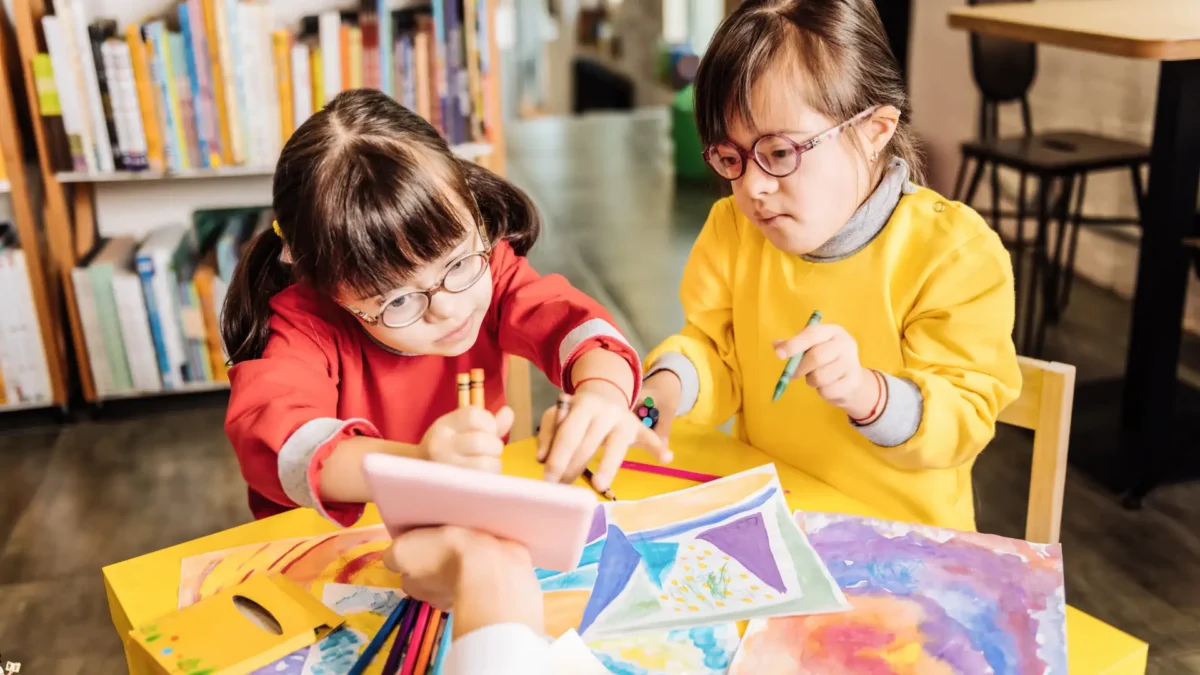
Inclusive preschool classrooms are not about “one-size-fits-all” teaching. They’re about making small, smart adjustments so every child, especially neurodiverse learners, can feel safe, understood, and ready to learn. When you use inclusive preschool classroom strategies, you create a space where different learning styles are supported without separating children from their peers.
In this article, you’ll get practical routines, classroom setup tips, and teaching methods you can apply immediately, plus FAQs people commonly search so you can write a helpful, SEO-friendly post and add internal links to your key service pages.
What “Inclusive” Means in a Preschool Classroom
An inclusive preschool classroom is one where children of all abilities learn together, and the teacher adapts instruction, environment, and routines to support different needs. Inclusion supports social development, confidence, and classroom belonging for all learners—not only children with diagnosed needs.
In early years, inclusion often includes support for neurodiversity such as autism, ADHD, sensory processing differences, speech/language delays, and varied emotional regulation needs.
Understanding Neurodiversity in Early Childhood
Neurodiversity simply means brains work in different ways. Some children may:
- Need more time to process instructions
- Prefer predictable routines
- Become overwhelmed by noise/light
- Struggle with transitions
- Communicate differently (or less verbally)
A key mindset shift: neurodiverse children aren’t “difficult”; they often need different supports to participate successfully.
Inclusive Preschool Classroom Strategies for Daily Teaching
1) Build Predictable, Calm Daily Routines
Most preschoolers thrive with routine, but neurodiverse learners rely on it even more. Keep a consistent flow:
- Arrival → play → circle → centers → snack → outdoor → story → dismissal
- Use the same cues daily (songs, visuals, phrases)
Consistency reduces anxiety and helps children transition smoothly.
2) Use Visual Schedules and Visual Directions
Many children understand visuals faster than verbal directions. Add:
- A picture schedule at eye level
- “First/Then” cards (First tidy up, Then playground)
- Step-by-step picture prompts near sinks, cubbies, and centers
- Visual timers for turn-taking and transitions
This lowers repeated instruction and prevents frustration.
3) Create a Sensory-Friendly Space
A sensory-friendly classroom helps children regulate and rejoin learning faster. Include:
- A calm corner (soft seat, books, sensory bottle)
- Noise-reduction headphones
- Fidgets for specific children (used with simple rules)
- Reduced clutter and defined centers
Keep it supportive, not punitive. This is a reset zone, not a “time-out corner.”
4) Offer Flexible Seating and Movement Options
Some children focus better when they move. Try:
- Wiggle cushions
- Floor spots
- Standing table for centers
- Short movement breaks (“shake it out” for 20 seconds)
Movement is not misbehavior it can be a learning tool.
5) Teach in More Than One Way (Multi-Modal Learning)
For the same concept, use:
- Visual (pictures, charts)
- Auditory (songs, rhymes)
- Kinesthetic (actions, role-play)
- Hands-on (sorting, sensory bins, blocks)
This supports all learners and improves retention.
6) Use Simple, Clear Language (and Pause)
Try:
- Short sentences
- One instruction at a time
- “Show me” demonstrations
- Pause 5–10 seconds after asking (processing time matters)
If a child doesn’t respond, repeat with a visual prompt instead of increasing volume.
7) Plan Transitions Like a Lesson
Transitions are hard for many neurodiverse preschoolers. Make them easier with:
- 5-minute warning + visual timer
- Transition songs
- A “helper job” (line leader, light switch helper)
- First/Then cues
Good transitions reduce challenging behavior dramatically.
8) Support Communication in Multiple Forms
Communication isn’t only about speaking. Support:
- Picture cards (to request, choose, or express needs)
- Gesture and sign support (basic classroom signs)
- Choice boards (“I want: playdough/blocks/reading”)
- Emotion visuals (“sad/mad/tired / overwhelmed”)
When children can communicate, behavior improves.
9) Strengthen Peer Connections Through Structured Play
Instead of forcing “go play,” structure social moments:
- Partner activities with clear roles
- Small group games (2–3 children)
- Turn-taking with visual cues
- “Buddy scripts” (e.g., “Can I play?” “Yes, you can.”)
This helps neurodiverse learners practice safely and successfully.
10) Use Positive Behavior Support (Not Just Consequences)
Focus on what to do, not only what not to do:
- Teach expectations with pictures
- Praise specific behaviors (“Great quiet hands in circle!”)
- Offer choices (“Do you want to clean blocks or books first?”)
- Identify triggers (noise, hunger, transitions)
Behavior is often communication; look for the “why.”
Classroom Setup Tips for Inclusion
A supportive environment can prevent issues before they start:
- Clearly labeled bins with pictures
- Centers separated by rugs/shelves
- Calm lighting (avoid harsh brightness where possible)
- Quiet space away from high-traffic paths
- Accessible materials so children can work independently
A well-organized room supports independence and reduces overwhelm.
Collaborating With Families for Consistent Support
Families know what helps their child regulate, communicate, and transition. Build a partnership by:
- Sharing what works in class
- Asking what works at home
- Keeping notes on triggers and calming strategies
- Setting shared goals (one at a time)
You don’t need long meetings; simple weekly check-ins can be powerful.
Educators can strengthen these skills through professional training offered by ECE University.
Professional Training That Supports Inclusive Teaching
If you want internal linking that matches the article topic, these are strong, relevant placements:
- Many teachers improve classroom inclusion by enrolling in early childhood education certification programs that cover child development, learning environments, and behavior guidance.
- Educators supporting neurodiverse learners can also benefit from special needs training for early childhood educators to better understand developmental differences and classroom supports.
Common Mistakes to Avoid in Inclusive Preschool Classrooms
Avoid these because they often increase stress and behavior challenges:
- Expecting the same output from every child
- Removing children from learning too often
- Using long verbal lectures
- Treating sensory needs as “attention-seeking.”
- Overloading the classroom with visuals (keep them clean + purposeful)
Inclusion works best when supports are simple, consistent, and calm.
FAQs
1) What are inclusive preschool classroom strategies?
They are teaching methods and classroom supports that help all children, including neurodiverse learners, participate in learning successfully through routines, visual supports, flexible teaching, and sensory-friendly spaces.
2) How can I support an autistic child in a preschool classroom?
Use predictable routines, visual schedules, transition supports, a calm corner, and communication tools (pictures/choice boards). Keep instructions short and consistent.
3) What is a sensory-friendly preschool classroom?
It’s a classroom designed to reduce overwhelm by managing noise/light/clutter and providing tools like calm spaces, fidgets, and predictable routines that help children regulate.
4) How do you manage transitions for neurodiverse preschoolers?
Use warnings, visual timers, transition songs, and First/Then prompts. Give a small helper job to keep the child engaged during the shift.
5) How do inclusive classrooms benefit all children?
They improve empathy, cooperation, and flexible learning for everyone. Multi-modal teaching helps neurotypical learners too, especially in the early years.
6) What training helps teachers create inclusive preschool classrooms?
Training in early childhood education foundations and special needs support helps educators build inclusive routines, behavior strategies, and classroom adaptations.
Conclusion
Inclusive teaching is not about perfection, it’s about progress. When you use predictable routines, visual supports, sensory-friendly design, and flexible instruction, neurodiverse learners can participate more confidently, and the whole class becomes calmer and more connected. With consistent practice, inclusive preschool classroom strategies help you create a classroom where every child feels they belong and can succeed.