
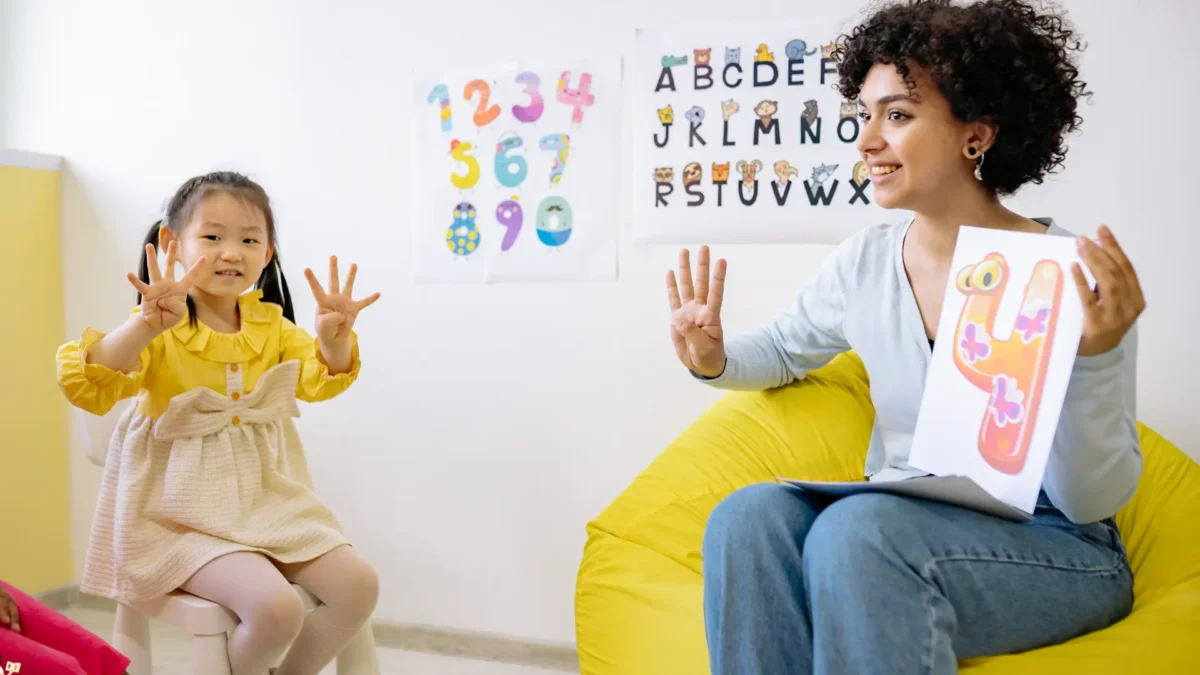
Transition times are a normal part of every preschool day. Children move from playtime to circle time, from outdoor activities to snack time, and from active learning to quiet rest. While these moments may seem small to adults, they can feel overwhelming for young children who are still learning how to manage emotions and adapt to changes.
That’s why effective preschool transition routines are essential in early childhood classrooms. When teachers create predictable and structured transitions, children feel more secure, cooperative, and ready for the next activity.
Why Transition Times Are Important in Preschool Classrooms
Transitions may only last a few minutes, but they play a major role in classroom management and learning. Without structured routines, transitions can become chaotic, interrupting learning and increasing stress for both teachers and children.
Children in early childhood settings thrive when their environment is predictable. When routines are clear and repeated daily, children understand what is expected of them and how to move from one activity to another.
Educators who focus on strong classroom systems, such as those taught at ECE University, often notice smoother classroom flow and fewer behavioral challenges.
Benefits of Effective Transition Routines
- Reduced tantrums and resistance
- Improved focus during learning activities
- Stronger emotional regulation skills
- Increased independence
- A calmer classroom environment
Preschool Transition Routines Teachers Can Use Daily
Implementing effective preschool transition routines helps children move smoothly between activities and prevents disruptions in the classroom.
Give Advance Warnings Before Transitions
Young children need time to mentally prepare for changes. Instead of suddenly ending an activity, teachers can give reminders such as “five more minutes of playtime,” “two minutes until we clean up,” or “last turn before circle time.” Warnings help children adjust gradually and reduce frustration.
Use Music and Transition Songs
Music is one of the most effective tools for managing classroom transitions. Many teachers use short songs to signal specific routines, such as clean-up songs, line-up songs, or circle-time songs. When children hear the same music regularly, they quickly learn what action to take.
Create Visual Daily Schedules
Visual schedules help children understand the structure of their day. A classroom schedule may include pictures representing activities like arrival time, free play, circle time, snack, outdoor play, story time, and rest time. Teachers can refer to the schedule during transitions to remind children what comes next.
Turn Transitions Into Movement Activities
Preschoolers often have high energy levels. Incorporating movement into transitions helps release energy while guiding children toward the next task. Teachers might ask children to hop like a bunny to the carpet, tiptoe to the reading corner, or march like soldiers to line up.
Assign Small Classroom Responsibilities
Children enjoy feeling helpful. Giving them small jobs during transitions increases participation and reduces delays. Examples include line leader, door holder, schedule helper, light monitor, or table cleaner.
Maintain Consistent Daily Routines
Consistency helps children feel safe and confident. When activities happen in a predictable order every day, children begin to anticipate what comes next. Teachers can strengthen their routines by learning structured strategies from programs like the Transitions Course.
Use Positive Reinforcement
Positive feedback encourages children to repeat good behavior. Teachers might say, “Great job cleaning up quickly,” or “I like how quietly you lined up.” Positive reinforcement builds confidence and cooperation in the classroom.
How Smooth Transitions Improve Learning
Effective transitions allow teachers to spend less time managing behavior and more time focusing on learning.
Improved Attention and Focus
Children who understand the routine are better prepared to engage in the next learning activity.
Reduced Stress and Frustration
Predictable transitions help children feel calm and secure.
Stronger Emotional Skills
Children learn patience, flexibility, and self-control.
More Teaching Time
Efficient transitions reduce wasted time and increase instructional opportunities. Teachers who want to improve classroom organization can explore training programs like Effective Classroom Management for ECE Teachers.
Common Transition Challenges in Preschool
Even experienced teachers sometimes struggle with transitions. Some common challenges include children refusing to stop playing, slow clean-up times, noise during line-up, or conflicts between classmates.
These issues often occur when transitions are rushed or when children have too much waiting time. With consistent routines and engaging strategies, transitions gradually become smoother.
Tips for Creating Calm Preschool Transitions
Keep Instructions Simple
Young children respond best to short, clear directions.
Reduce Waiting Time
Long waiting periods often lead to boredom and disruptive behavior.
Practice Routines Regularly
Just like academic skills, transition routines improve with repetition.
Model Calm Behavior
Children learn emotional regulation by observing adults. A calm teacher helps create a calm classroom environment.
Conclusion
Transitions may seem like small moments in the preschool day, but they have a powerful impact on classroom behavior and learning. When teachers implement structured and predictable routines, children feel more secure and prepared for the next activity.
By using thoughtful preschool transition routines, educators can reduce tantrums, improve focus, and create a classroom environment where children feel supported and ready to learn.
Frequently Asked Questions
Why are transitions difficult for preschoolers?
Preschoolers are still developing emotional regulation and time awareness. Sudden changes between activities can feel overwhelming, which may lead to frustration or tantrums.
What are transition activities in preschool?
Transition activities are short routines that help children move from one activity to another. Examples include songs, movement games, and visual schedule reminders.
How do teachers reduce tantrums during transitions?
Teachers can reduce tantrums by giving advance warnings, maintaining consistent routines, and using positive reinforcement.
How long should preschool transitions take?
Most preschool transitions should take between two and five minutes to maintain children’s attention and prevent disruptions.
What tools help improve preschool transitions?
Visual schedules, timers, music cues, and classroom jobs can make transitions smoother.
Why are routines important in preschool classrooms?
Routines provide structure and predictability, helping children feel safe while supporting emotional regulation and learning.