
Top Early Childhood Development Trends in 2026
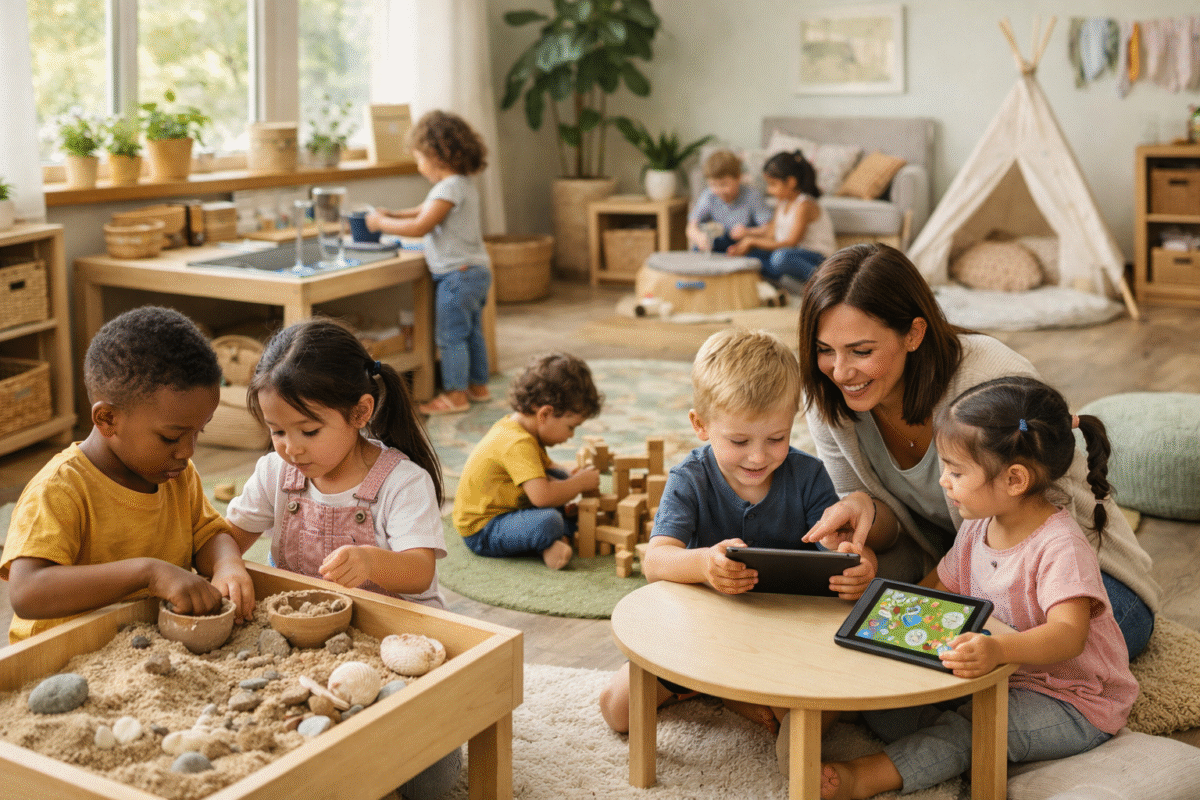
Early childhood education continues to evolve as research, technology, and family expectations shape how young children learn. In 2026, successful programs are focusing on balanced development – combining emotional growth, academic foundations, family engagement, and professional support for teachers.
For educators and center leaders, staying informed about these trends is essential. It helps improve classroom quality, meet regulatory standards, and create learning environments where children can thrive.
This article highlights the most important early childhood development trends in 2026 and explains how educators can apply them in daily practice.
Why keeping up with trends matters in early education
Early learning programs operate in a highly regulated and rapidly changing environment. New research, updated licensing rules, and shifting family needs require continuous adaptation.
Centers that follow current best practices benefit from:
- Stronger child development outcomes
- Higher parent satisfaction
- Better staff retention
- Improved inspection and accreditation results
- More consistent classroom quality
Professional development platforms such as ECE University help educators stay aligned with these changes through flexible, skills-focused training.
1. Social and emotional learning as a daily priority
In 2026, social and emotional learning is fully embedded in early childhood classrooms. Programs now recognize that emotional regulation, empathy, and cooperation are just as important as early literacy and numeracy.
Teachers are intentionally teaching children how to:
- Identify and express feelings
- Resolve conflicts peacefully
- Practice patience and turn-taking
- Build positive peer relationships
Daily routines such as morning meetings, calming corners, and guided discussions support this development.
Practical application: Introduce short emotional check-ins during circle time and model problem-solving language throughout the day.
2. Responsible use of technology and AI tools
Technology continues to play a growing role in early education, especially for lesson planning, progress tracking, and family communication. In 2026, educators are using AI-supported tools carefully and ethically to support learning without increasing screen time.
These tools help teachers:
- Generate differentiated activity ideas
- Track developmental milestones
- Reduce administrative workload
- Analyze classroom trends
The focus remains on adult-guided, play-based learning rather than independent screen use.
Practical application: Use digital tools to support planning and documentation, while keeping hands-on activities at the center of learning.
3. Trauma-informed and relationship-based care
Trauma-informed practice is now a standard expectation in many early learning settings. Educators are trained to recognize how stress, family instability, and early adversity affect behavior and learning.
Programs emphasize:
- Predictable routines
- Calm, consistent responses
- Emotional safety
- Strong teacher-child relationships
These practices help children feel secure and ready to engage.
Practical application: Establish consistent daily schedules and provide quiet spaces where children can self-regulate when overwhelmed.
4. Expanded outdoor and nature-based learning
Outdoor learning continues to grow in importance. Research supports the role of physical movement, sensory exploration, and natural environments in brain development.
In 2026, more centers are:
- Creating outdoor learning zones
- Using natural materials in play
- Scheduling daily outdoor instruction
- Integrating science and literacy outdoors
Nature-based learning improves attention, coordination, and creativity.
Practical application: Plan weekly outdoor activities focused on observation, storytelling, or problem-solving using natural objects.
5. Stronger family engagement through digital communication
Family engagement has shifted from occasional newsletters to ongoing two-way communication. Secure apps and digital portfolios allow families to follow their child’s progress and participate in learning.
Modern engagement includes:
- Real-time activity updates
- Shared learning goals
- Family feedback tools
- Multilingual communication options
This strengthens trust and consistency between home and school.
Practical application: Share one learning highlight per child each week and invite families to contribute observations from home.
6. Inclusive classrooms and support for neurodiversity
Inclusive education is expanding in early childhood settings. Programs are designing classrooms that support diverse learning styles and developmental needs.
Universal design practices include:
- Visual schedules
- Sensory-friendly spaces
- Flexible seating
- Choice-based activities
- Adapted learning materials
These supports benefit all children, not only those with identified needs.
Practical application: Add visual transition cues and quiet sensory areas to support self-regulation.
7. Play-based STEM learning
Early STEM education is becoming more exploratory and play-focused. Instead of formal instruction, children engage in hands-on problem-solving and experimentation.
STEM activities in 2026 include:
- Building challenges
- Simple coding toys
- Measurement games
- Nature-based science projects
- Pattern and logic activities
These experiences build early reasoning skills.
Practical application: Introduce weekly problem-solving activities using blocks, ramps, or water tables.
8. Meaningful use of classroom data
Data in early childhood education is becoming more practical and teacher-focused. Instead of heavy testing, programs use observation-based documentation to guide instruction.
Educators now rely on:
- Learning stories
- Developmental checklists
- Portfolio evidence
- Targeted observations
This data helps personalize instruction without overwhelming staff.
Practical application: Record brief weekly observations and use them to plan small-group activities.
9. Micro-credentials and flexible professional development
Professional development in 2026 focuses on short, targeted learning experiences. Micro-credentials and modular courses help teachers improve specific skills quickly.
Benefits include:
- Less time away from classrooms
- Faster application of new strategies
- Easier compliance with CEU requirements
- Higher staff engagement
Platforms like ECE University support this model through self-paced courses and credential pathways.
Practical application: Encourage staff to complete one focused training module per quarter and share learnings in team meetings.
10. Increased focus on access and affordability
Many states and communities continue expanding early learning access through public funding and pre-K initiatives. This increases enrollment opportunities but also raises quality expectations.
Centers must prepare for:
- Higher reporting requirements
- Expanded staffing needs
- Quality rating standards
- Parent accountability expectations
Strong leadership and professional development are critical in this environment.
Practical application: Review state policies annually and align training plans with new standards.
How educators can prepare for 2026
To stay competitive and effective, programs should focus on five priorities:
- Embed social and emotional learning into daily routines
- Invest in responsible technology and data systems
- Train staff in trauma-informed and inclusive practices
- Expand outdoor and exploratory learning
- Build structured professional development pathways
These steps create stability while allowing innovation.
The role of professional development
Trends only improve outcomes when teachers understand and apply them. Continuous learning helps educators adapt confidently and maintain compliance.
Through flexible online courses, credential programs, and CEU options, ECE University supports educators in building skills that match modern classroom demands.
Well-trained teachers create stronger learning environments, higher family trust, and more sustainable programs.
Conclusion
Early childhood development in 2026 emphasizes balance – emotional growth, academic foundations, inclusion, family partnership, and professional support. Centers that embrace these trends position themselves for long-term success.
By investing in staff development, thoughtful technology use, and inclusive learning practices, educators can create classrooms where children feel safe, curious, and prepared for future learning.
Staying informed, flexible, and committed to quality remains the strongest strategy for meeting the needs of young learners in a changing educational landscape.