
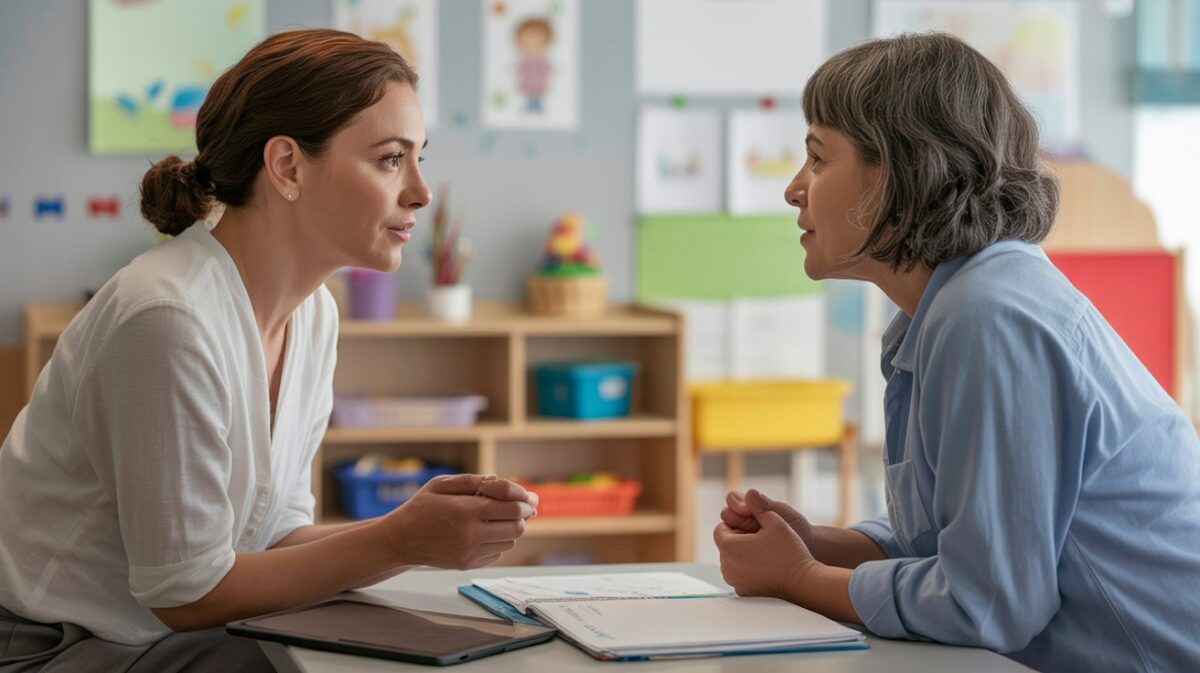
Parent-Teacher Communication Techniques That Improve Outcomes
Effective parent-teacher communication is one of the most important factors in a child’s academic and emotional success. When teachers and parents share information openly, they create a supportive environment where children feel guided both at school and at home.
However, communication between families and educators does not always happen smoothly. Busy schedules, misunderstandings, and unclear expectations can sometimes create gaps in collaboration.
The good news is that a few practical communication techniques can strengthen these relationships and significantly improve student outcomes. By using thoughtful strategies, teachers and parents can build trust, solve challenges earlier, and support children more effectively.
Why Parent-Teacher Communication Matters
Strong communication between educators and families creates a partnership focused on the child’s growth. Research in early childhood education consistently shows that students perform better when parents stay involved in their learning journey.
Effective communication helps:
- Build trust between families and schools
- Address academic or behavioral concerns early
- Encourage parental involvement in learning
- Create consistent expectations at home and school
When parents and teachers communicate regularly, children benefit from a stable and encouraging learning environment.
Foundations of Effective Parent-Teacher Communication
Effective communication begins with clear goals, mutual respect, and a plan. Before applying techniques, teams should agree on the purpose of contact and the standards for interaction.
Start with three clear objectives:
- Share student progress and needs.
- Build a partnership for problem-solving.
- Maintain consistent expectations across settings.
These goals shape tone, frequency, and format. When staff and families share a framework, interactions focus on student outcomes rather than on reactive exchanges.
Defining clear goals for communication
Clear goals ensure that each message serves a purpose. Prioritize what must be communicated versus what can wait. Share expectations about timelines and responses.
Building mutual respect and trust
Trust requires predictable behavior and respectful language. Use plain statements, avoid blame, and acknowledge the parent’s expertise about their child. Trust increases willingness to try agreed strategies.
The role of empathy, clarity, and active listening
Empathy and active listening transform difficult conversations. Practice short reflective statements that confirm understanding and invite input. Clarity eliminates jargon and reduces follow-up questions.
8 Parent-Teacher Communication Techniques That Improve Outcomes
1. Start Communication Early
Successful communication begins before problems arise. Teachers who introduce themselves and establish communication channels early in the school year create a foundation of trust.
A simple welcome message or introductory email helps parents feel comfortable reaching out when needed.
2. Use Clear and Simple Language
Educational terminology can sometimes confuse parents. Using clear and simple language ensures that families fully understand updates about their child’s progress.
Instead of complex explanations, focus on straightforward messages that describe what is happening and what steps can help.
3. Share Positive Updates Regularly
Communication should not only happen when concerns arise. Sharing positive updates about a child’s effort, improvement, or achievements strengthens relationships with families.
Parents who receive encouraging feedback are more likely to stay engaged in their child’s learning.
4. Schedule Structured Parent-Teacher Conferences
Regular conferences allow teachers and parents to discuss academic progress, behavior, and goals in detail. These meetings provide a valuable opportunity to ask questions, clarify expectations, and plan strategies that support the student.
Preparing notes and examples before the meeting can make the conversation more productive.
5. Practice Active Listening
Good communication involves listening as much as speaking. Parents often have insights about their child’s behavior, routines, or emotional challenges that teachers may not see at school.
By listening carefully and acknowledging parent concerns, educators build stronger partnerships.
6. Use Technology to Stay Connected
Digital communication tools make it easier for teachers and parents to stay informed.
Common tools include:
- school communication apps
- email updates
- classroom management platforms
- digital newsletters
These tools allow teachers to provide consistent updates while giving parents convenient ways to respond.
7. Be Respectful of Cultural Differences
Schools often serve families from diverse cultural backgrounds. Being aware of different communication styles, expectations, and family traditions helps teachers build inclusive relationships.
Respectful communication ensures that all families feel valued and understood.
8. Focus on Solutions Instead of Blame
When concerns arise, conversations should focus on finding solutions rather than assigning blame. A collaborative approach helps parents and teachers work together toward a shared goal—supporting the child’s development.
Discuss practical steps both sides can take and agree on a plan to monitor progress.
Communication During Key Events
Certain moments require planning—conferences, incident reports, transitions between grades. Structured preparation improves the quality of these interactions.
When preparing for key events, define goals, gather evidence, and agree on next steps.
Planning and conducting conferences
Conferences succeed when both parties prepare.
Conference structure:
- Share progress highlights and concerns.
- Ask for family perspectives.
- Agree on actions and timeline.
- Schedule a follow-up.
Pre-conference prep:
- Send a brief overview: student strengths, focus areas, and three questions for the parent.
- Invite parents to bring samples or observations.
Pre-conference preparation: goals, questions, data
Preparation reduces surprises and centers the meeting on goals.
Checklist:
- Recent work samples or assessments.
- Behavior logs or anecdotal notes.
- Specific questions you need parent input to answer.
Follow up after meetings to reinforce agreements
Follow-up cements the plan and shows accountability.
Use a concise follow-up note:
- Restate the agreed plan.
- Share immediate steps and who is responsible.
- Set a date for a brief progress check.
Example follow-up:
- “Thanks for meeting. We agreed to try two reading games at home and one classroom intervention. I’ll update you in two weeks.”
Using Technology to Enhance Parent Engagement
Technology enhances access but must align with communication goals. Use tools to share student work, provide real-time updates, and facilitate remote participation.
Start with a small set of high-impact tools and scale up as staff and families gain comfort.
Digital platforms for updates, messaging, and notifications
Choose platforms that support secure messaging and simple attachments.
Tool selection criteria:
- Ease of use.
- Data privacy compliance.
- Ability to archive messages.
Use case:
- Daily photo with a short caption: “Today, Leo completed a puzzle. He practiced taking turns.”
Video conferencing for remote access
Video meetings reduce barriers when in-person meetings are not feasible. Prepare families with a short agenda and expectations to preserve time.
Tips:
- Keep video meetings concise, 20–30 minutes.
- Share a brief agenda in advance.
- Record key action items in chat.
Tools for sharing student work and daily reports
Digital portfolios or apps let families see progress. Share brief samples with context, and one suggested activity for reinforcement.
Example:
- Upload a scanned writing sample with a note: “He used two descriptive words. Try asking him to describe a toy tonight.”
Collaborative Problem-Solving
When challenges arise, use collaborative problem-solving instead of assigning blame. A joint approach improves buy-in and yields practical solutions.
Begin with a neutral description of the behavior and invite the family into solution planning.
Jointly defining challenges and solutions
Frame the challenge with data and ask for family input on possible causes.
Process:
- Describe the observed behavior.
- Ask family for context or triggers.
- Brainstorm possible solutions together.
- Select one option to trial and set review criteria.
Scheduling regular strategy meetings
For persistent issues, plan short, regular meetings to evaluate progress and adapt strategies.
Meeting cadence:
- Weekly short check-ins initially.
- Biweekly once strategies stabilize.
Maintaining focus on student goals rather than blame
Keep conversations future-focused and results-oriented. Document agreed steps and measure outcomes.
Strengthening Communication Skills Through Professional Development
While many teachers develop communication skills through experience, structured training can help educators handle challenging conversations with parents more effectively. Professional development programs focused on communication, collaboration, and leadership provide practical tools that improve relationships with families and strengthen school communities.
ECE University offers specialized professional development course designed for early childhood educators and administrators. One of their courses, Communicating with Confidence for Owners and Administrators, focuses on improving communication strategies, delivering constructive feedback, and building stronger connections with families and staff.
By developing these communication skills, educators can create more productive conversations with parents and foster stronger partnerships that support student success.
Common Communication Challenges & Responses
Certain barriers recur across settings. Below are common issues and precise responses to consider.
Begin each challenge with a short diagnostic paragraph that clarifies why it matters.
Time constraints
Parents and teachers often lack aligned time windows. Use concise updates, flexible formats, and automated scheduling tools.
Solutions:
- Offer multiple short times for calls.
- Use concise email summaries for busy families.
- Record brief voice notes for key updates.
Language differences and cultural barriers
Language mismatch reduces clarity. Provide translation options and culturally appropriate materials.
Solutions:
- Use translation services or bilingual staff.
- Translate key documents and summaries.
- Invite cultural liaisons or community representatives to meetings.
Misunderstandings and mistrust
Misunderstandings erode relationships. Use neutral, specific language and document agreements.
Solutions:
- Restate what you heard the parent say.
- Provide short written summaries after meetings.
- Use data and examples rather than labels.
Digital access limitations
Not all families have reliable internet or device access. Use low-tech options when needed.
Solutions:
- Offer phone calls or printed notes.
- Coordinate community access points for digital content.
- Use SMS for quick alerts.
Measuring Communication Effectiveness
Measurement allows teams to identify what works and where to adjust.
Begin with a simple measurement plan and iterate based on results.
Tracking frequency and type of communication
Record the number and type of contacts each week to ensure balanced outreach.
Suggested metrics:
- Number of positive contacts per week.
- Number of progress reports sent.
- Response rates for surveys.
Collecting parent feedback and adjusting approaches
Use short surveys or informal interviews to gather parent perspectives on clarity, timing, and usefulness.
Survey tips:
- Keep surveys under five items.
- Use a mix of multiple-choice and one open question.
- Offer results summary and next steps to parents.
Linking communication patterns to student outcomes
Compare communication activity with student metrics—attendance, behavior incidents, assessment trends—to spot correlations.
Use data to answer:
- Do more frequent check-ins reduce behavior incidents?
- Does timely feedback accelerate skill gains?
Action Plan for Educators
This section converts the article’s techniques into a concrete plan.
Start with immediate steps, then add monitoring and refinement actions.
Steps to implement this term
- Audit current communication tools and preferences by week 1.
- Set a schedule for brief weekly updates by week 2.
- Introduce one standardized platform for classroom notes by week 3.
- Conduct a short staff training on plain language and active listening by week 4.
- Share a one-page family communication guide at intake.
Audit checklist for tools and preferences
- List all current platforms in use.
- Document family preferences.
- Identify overlap and select the primary system.
Quarterly review process
- Review communication frequency and parent feedback.
- Share summarized outcomes with staff.
- Adjust cadence or formats as needed.
Assessment and Data Use
Data should be simple and actionable rather than complex and time-consuming.
Start with brief behavioral and engagement logs and focus on trends over time.
Practical data points to collect
- Time and context of significant incidents.
- Type of communication and response time.
- Short notes on whether the interaction led to a change.
Using data to prioritize interventions
When data indicates repeated patterns, prioritize targeted problem-solving. For example, if many incidents occur before a transition, test transition cues or parent strategies.
Frequently Asked Questions
What’s the best communication approach for busy families?
Offer concise updates via the family’s preferred channel, and provide one predictable weekly summary that covers highlights and needs.
How often should updates be sent?
Aim for brief weekly or biweekly updates and immediate contact for safety concerns. Frequency can increase around specific goals or interventions.
What tech tools work best for ongoing dialogue?
Choose platforms that combine messaging with simple documentation. Prioritize secure classroom apps that parents already use and provide a short how-to guide.
How can teachers maintain professional boundaries while staying accessible?
Set clear hours for communication, use scheduled messaging, and document key decisions in follow-up notes to avoid misunderstandings.
How do we engage families who are reluctant to participate?
Start with positive, low-effort contacts, offer flexible meeting options, and invite input through short surveys to identify barriers.
Final Thoughts
Parent-teacher communication plays a critical role in supporting children’s academic and emotional growth. When educators and families communicate clearly, listen to one another, and focus on shared solutions, they create a powerful partnership that benefits every student.
By using practical strategies—such as early communication, active listening, and consistent updates—schools can build stronger relationships with families and improve student outcomes.
Educators who want to further strengthen these skills can explore professional development opportunities through ECE University, where communication-focused training helps teachers build confidence and foster more productive parent partnerships.