
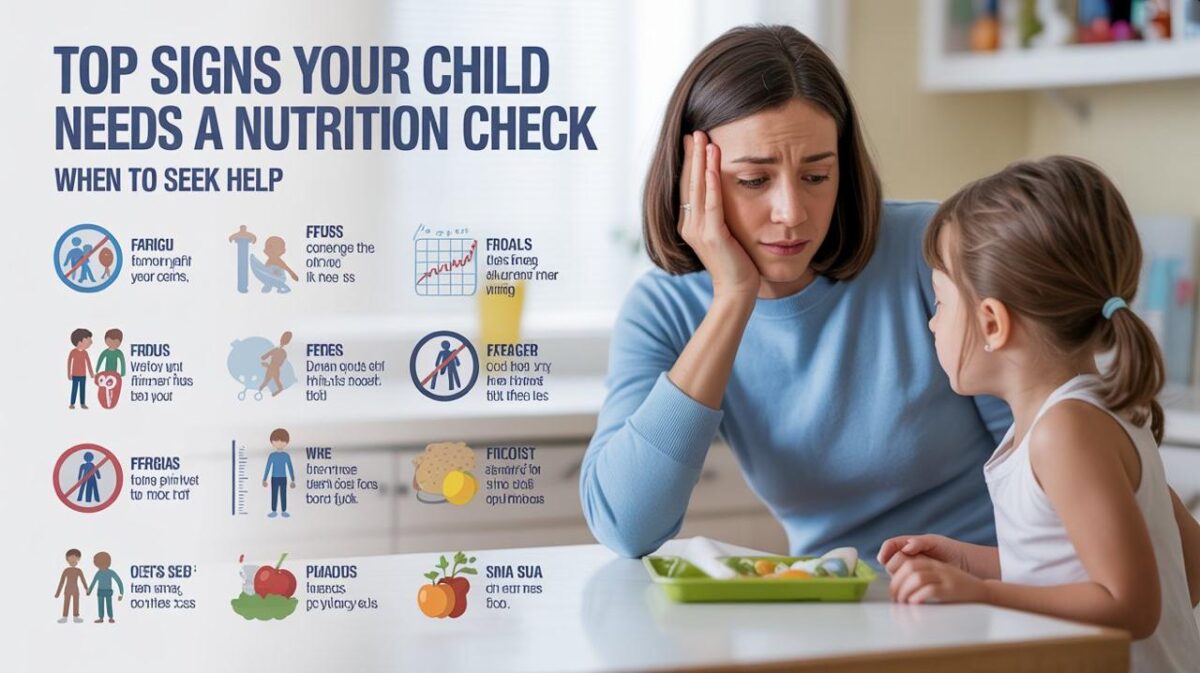
Top Signs Your Child Needs a Nutrition Check (When to Seek Help)
Early detection prevents longer-term problems. This guide helps parents and caregivers identify when a child needs a nutrition check, explains what that check involves, and lists practical next steps to take at home and with health professionals. You’ll find clear signs to watch for, a quick at-home screening checklist, guidance on immediate actions, and specific recommendations on who to call and what to expect at the appointment.
Early action matters because growth, behavior, cognition, and immunity all depend on steady nutrition and adequate sleep. Spotting a pattern early reduces risk and speeds intervention. Read on for concrete signals and a stepwise plan you can use tonight.
What a nutrition check means
A nutrition check includes growth monitoring, dietary review, basic laboratory testing when indicated, and referrals for targeted support. Clinicians will review charts, evaluate intake, and assess feeding behavior. Depending on findings, they may order labs or refer to a pediatric dietitian, feeding therapist, or other specialists.
Most checks occur in primary care or community clinics. Early intervention programs and school health services can also initiate reviews. The goal is to identify correctable causes and set a practical plan.
Note: Explore how nutrition, sleep, and daily routines support child development
When to be alert: red-flag signs by domain
Below are the key domains where signs typically appear. Scan the sub-sections for fast, actionable cues. If you see two or more items consistently, consider scheduling a clinical review.
Growth and physical signs
Monitor weight and length/height on a growth chart. A child who consistently falls across percentiles or shows poor weight-for-height needs attention. Height that slows relative to earlier velocity also warrants review.
Watch for these physical signals:
- Weight stagnation or loss across two or more well-documented visits.
- Low weight for height (wasting) or sudden BMI shifts.
- Recurrent infections or slow wound healing.
- Hair thinning, brittle hair, dry skin, or easy bruising.
If growth velocity changes, act promptly. Growth charts show trends; one single measure rarely tells the full story. A pattern over weeks or months does.
Feeding and intake patterns
Feeding behavior often provides the first signal. Persistent limitation of food variety, refusal of age-appropriate textures, or prolonged bottle dependence indicates risk.
Key feeding red flags:
- Severe food selectivity with fewer than three regular food groups.
- Refusal of textures expected for age or persistent gagging/choking.
- Frequent vomiting, signs of reflux, or marked aversion at meals.
- Appetite reduction lasting more than two weeks without clear illness.
Feeding problems may reflect sensory issues, oral motor immaturity, or behavioral responses. A rapid decline in intake requires immediate evaluation.
Behavioral, developmental, and cognitive cues
Nutrition affects attention, mood, and learning. Parents often report behavioral changes before clinicians notice growth differences.
Note these signs:
- Marked fatigue or reduced concentration in childcare or school.
- Loss of previously acquired skills or slowing in language and play.
- Irritability or mood swings that occur near mealtimes or with energy dips.
When behavioral changes appear alongside feeding issues, combine the evidence. That pattern increases the urgency for assessment.
Sleep, energy, and gastrointestinal signs
Disrupted sleep, low daytime energy, and persistent GI symptoms often relate to nutrition or underlying conditions.
Watch for:
- Constipation or diarrhea that affects appetite or growth.
- Night waking tied to hunger or abdominal discomfort.
- Rapid fatigue during routine play or low activity compared with peers.
Persistent GI symptoms may signal malabsorption, infection, or food intolerance. Track frequency and triggers.
Signs suggesting micronutrient deficiency
Some deficiencies present with specific physical or behavioral clues. Screening targets the likely deficits based on history and presentation.
Consider this list:
- Pale skin, pica (nonfood eating), or shortness of breath on exertion—possible iron deficiency.
- Bowing of wrists/legs, delayed motor milestones, or persistent muscle pain—consider vitamin D/calcium concerns.
- Neurological changes, numbness, or sensory changes in at-risk groups—think B12 or folate issues.
When such signs appear, discuss targeted laboratory testing with the clinician.
Learn More: Top Micronutrient Deficiencies in Children
Quick at-home screening checklist
Use this short checklist to decide whether to pursue a nutrition check. Tick items that describe your child’s recent pattern.
- Weight drop across percentiles on the growth chart.
- Height growth is slowing relative to prior visits.
- Diet limited to fewer than three food groups.
- Persistent vomiting, choking, or feeding refusal.
- Recurrent infections or slow healing.
- Notable fatigue or reduced attention at daycare/school.
- Ongoing constipation or diarrhea.
- Signs suggesting anemia (pale skin, low energy).
- Night waking linked to hunger or abdominal pain.
If two or more items apply for more than two weeks, schedule a pediatric visit for a nutrition check.
Immediate steps to take at home
Acting early can stabilize intake and provide useful information for clinicians. These short-term actions improve evaluation quality and reduce risk.
- Keep a 3–7 day food and symptom diary, noting exact portions and food refusals.
- Maintain consistent meal and snack timing; avoid grazing.
- Offer nutrient-dense options at main meals and snacks (see snack ideas below).
- Avoid force feeding; use neutral prompts and structured mealtimes.
- Monitor hydration, diaper output for infants, and sleep patterns.
Call your pediatrician urgently if you see significant weight loss, signs of dehydration, breathing difficulty, or inability to tolerate any oral intake. Otherwise, use the diary to support the upcoming clinical review.
Who to contact and what to expect
Begin with your child’s primary care provider for an initial assessment. The clinician will review growth charts, examine the child, and ask structured questions about intake, behavior, and family context.
Typical next steps include:
- Growth chart review and comparison against standard percentiles.
- Focused physical exam for signs of nutritional deficiency or systemic illness.
- Basic labs when indicated: CBC with ferritin, vitamin D level, or metabolic screening.
- Referral to a registered pediatric dietitian for detailed dietary assessment and meal planning.
- Referral to a feeding therapist or speech-language pathologist when oral motor or sensory feeding issues arise.
Community programs like WIC or local nutrition services may provide immediate support for families needing food resources. For urgent or complex presentations, specialists in pediatric gastroenterology or endocrinology may become involved.
Common tests and what they indicate
Clinicians choose tests based on signs and history. Not every child requires labs; careful clinical judgment guides testing.
Common evaluations:
- Growth chart and growth velocity: reveal chronic trends.
- Complete blood count (CBC) and ferritin: assess iron status and anemia risk.
- Vitamin D and calcium tests: check bone-health-related deficiencies.
- B12 and folate tests: when developmental or neurological concerns exist.
- Celiac serology or basic metabolic panel: when GI symptoms, poor weight gain, or family history suggest specific conditions.
Expect the clinician to explain the reason for each test and the possible next steps based on results.
Preparing for the appointment
Bring targeted materials to speed accurate assessment and reduce repeat visits.
Prepare:
- A 3-day food and symptom diary showing typical intake and any refusals.
- Growth records or recent weight/height documentation if available.
- Notes on feeding behavior: choking, gagging, aversion, or texture avoidance.
- A list of medications, supplements, and any family health history relevant to growth or nutrition.
- Questions you want answered and specific concerns noted by date.
Arriving prepared helps clinicians focus the visit and often shortens the diagnostic timeline.
Practical prevention tips
Prevention reduces the need for urgent checks and supports steady growth. These practical steps apply across ages and contexts.
Routine strategies:
- Keep predictable mealtimes and limit grazing between meals.
- Serve family meals when possible to model intake and social cues.
- Use repeated, pressure-free exposure to new foods, ideally 8–15 exposures.
- Prioritize nutrient-dense snacks: plain yogurt, fruit, nut butter on whole-grain crackers, boiled eggs, or fortified cereals.
- Limit sugary drinks; offer water as the default.
- Maintain regular sleep patterns and daily activity to support appetite regulation.
Age-specific notes:
- For infants: introduce complementary foods at about 6 months, start with iron-rich purees and varied textures.
- For toddlers: provide small portions and let the child decide how much to eat within structured meal times.
- For school-age children: pack balanced lunches with protein, complex carbs, and produce to sustain afternoon attention.
Low-cost options: canned beans, fortified cereals, eggs, frozen vegetables, and milk can deliver key nutrients affordably. Community resources can assist families facing food access challenges.
Special situations and red flags requiring urgent referral
Certain signs demand expedited evaluation and possible hospital-based care.
Urgent referral indicators:
- Severe faltering growth with rapid percentile loss.
- Signs of dehydration, persistent vomiting, or inability to tolerate oral fluids.
- Suspected malabsorption with persistent diarrhea and weight loss.
- Significant developmental regression or severe feeding refusal in infants under six months.
- Respiratory distress or other acute medical signs.
In these cases, go to urgent care or the emergency department as advised by your clinician.
Resources and tools
Use these resources to support assessment and follow-up.
- WHO and CDC growth chart links for home reference.
- Printable 3-day food diary templates.
- Sample nutrient-dense snack lists.
- Local WIC and community food assistance contacts.
- Directories for pediatric dietitians and feeding therapists.
- Simple tracking tools: sleep and stool logs for rapid sharing with clinicians.
Ask your primary care office which community supports they recommend; they often have vetted local contacts.
FAQs
How long should I wait before seeking help for picky eating?
If a child limits intake to a few foods but maintains steady growth and energy, monitor and use repeated exposure. Seek a nutrition check when selective eating leads to weight faltering, frequent illness, or declining activity within 2–4 weeks.
When are supplements recommended?
Clinicians recommend supplements when lab evidence or dietary review shows deficiency risk—common cases include low iron or vitamin D. Avoid unsupervised supplement use; consult your pediatrician first.
Can low energy be due to poor sleep rather than poor nutrition?
Yes. Sleep, nutrition, and activity interact. Review sleep patterns alongside intake. If sleep seems inadequate, address sleep hygiene while monitoring nutrition; raise the concern with the clinician if low energy persists.
What if my pediatrician advises “watch and wait”?
Ask for specific metrics and a timeframe. Request a follow-up appointment with a plan, and provide a food diary. If new red flags arise, seek earlier review or a second opinion.
How should I document progress between visits?
Keep simple records: weekly weights when advised, a 3-day food diary before visits, symptom notes, and any changes in activity or mood. These data points make follow-up more decisive.
When should I consider a feeding therapist?
Refer when there is persistent choking, gagging with texture introduction, oral motor delay, or severe mealtime aversion. A feeding therapist evaluates mechanics and provides structured therapy.
Can community programs help with nutrition checks?
Yes. Programs like WIC, school nurses, and community clinics can perform basic screening and connect families to dietitians or local health services.
Final Thoughts
Recognizing early signs allows parents and professionals to take timely action and protect a child’s growth, energy, and overall well-being. If two or more checklist indicators persist, schedule a nutrition review and bring a brief intake record to support the assessment. Small steps—consistent meals, clear documentation, and early communication with your pediatric provider—can significantly improve outcomes and prevent long-term concerns.
Give Top Signs Your Child Needs a Nutrition Check (When to Seek Help) the attention it deserves, and you’ll help your child stay on track while keeping nutrition in check.